Small mammal
Rabbit
- Space
- A large enclosure with an attached run
- Daily time
- 1 hour or more a day
- Company
- Keep in a bonded pair
- Lifespan
- About 8 to 12 years
Small mammal
Guinea pig
- Space
- A roomy floor pen, the bigger the better
- Daily time
- 30 to 60 minutes a day
- Company
- Keep in pairs or small groups
- Lifespan
- About 5 to 8 years
Small mammal
Syrian hamster
- Space
- A wide enclosure with deep bedding
- Daily time
- 20 to 30 minutes each evening
- Company
- Lives alone
- Lifespan
- About 2 to 3 years
Small mammal
Pet rat
- Space
- A tall cage with several levels
- Daily time
- 1 hour out of the cage a day
- Company
- Same-sex pairs or groups
- Lifespan
- About 2 to 3 years
Rabbits
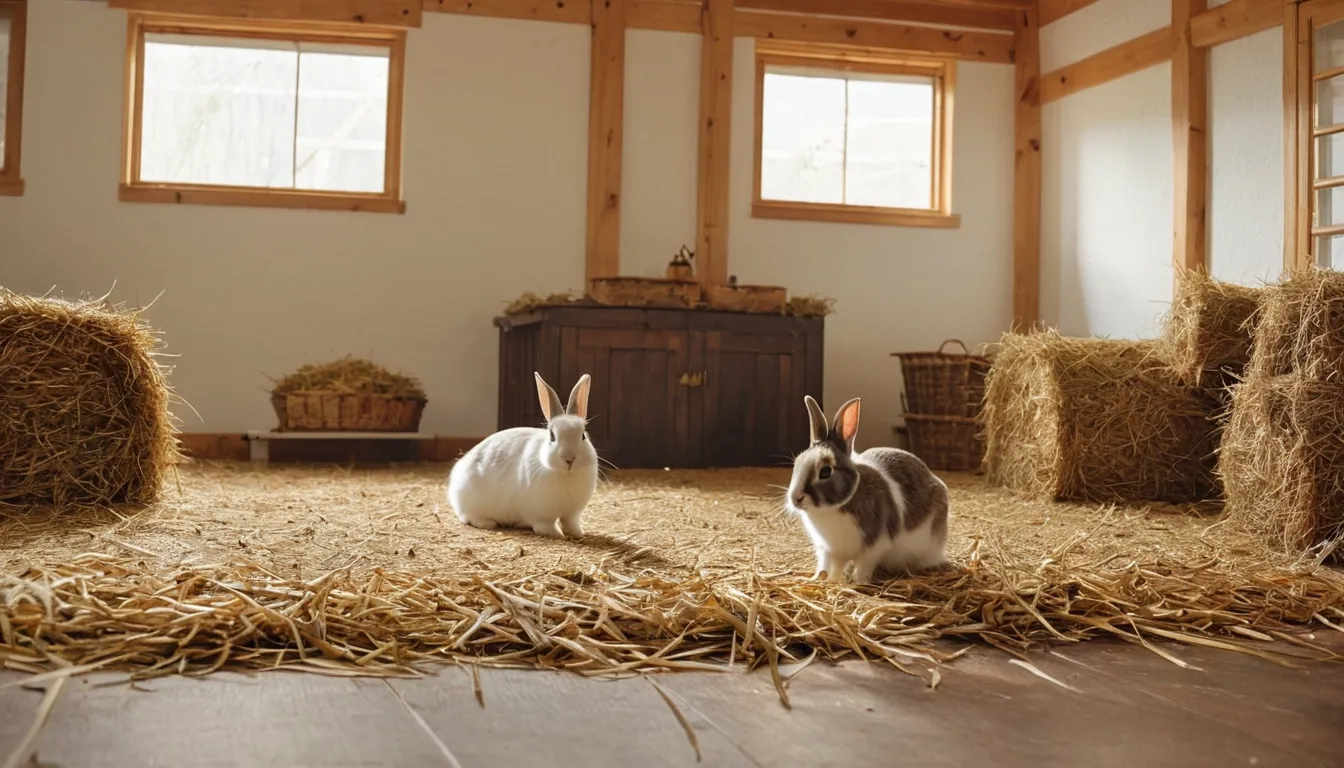
Rabbits are social, clever and long-lived. They do best in bonded pairs, usually spayed and neutered. Welfare groups such as the UK's Rabbit Welfare Association and Fund suggest a combined living and exercise space of about 10 by 6 feet and 3 feet high for a pair, with access at all times. Indoors, an exercise pen in a rabbit-proofed room works well.
Diet matters most. Unlimited grass hay should make up the bulk of what a rabbit eats, with a daily portion of leafy greens and a small measured amount of plain pellets. Rabbits can learn to use a litter box filled with paper-based litter and topped with hay.
A rabbit that stops eating or stops passing droppings for even part of a day needs a vet urgently. Their gut can shut down quickly.
Guinea pigs
Guinea pigs are chatty herd animals and should live in pairs or small groups. Like rabbits, they need unlimited hay. Unlike rabbits, they cannot make their own vitamin C, so they need it from fresh vegetables such as bell peppers and from a guinea pig pellet. Many care guides suggest at least 7.5 square feet of floor space for two, and more is better. Ramps and lofts are less useful to them than open floor.
Hamsters
Syrian hamsters live alone and will fight if housed together. They are awake in the evening and night, so they suit older children and adults who are up then. Give a wide enclosure, ideally around 40 by 20 inches of floor or more, with deep bedding to burrow in, several hides, and a solid wheel large enough that the hamster's back stays straight while running. Dwarf hamster species have different needs, so research the exact species.
Rats
Pet rats are curious, sociable and easy to handle. Keep them in same-sex pairs or groups, in a tall cage with solid shelves, hammocks and places to climb. They need daily time out of the cage in a safe, supervised area. Rats live only two to three years, which can be hard on children, so talk about it early.
Housing at a glance
| Species | Lives with | Main food | Most active |
|---|---|---|---|
| Rabbit | Bonded partner | Unlimited hay, leafy greens | Dawn and dusk |
| Guinea pig | Pair or small group | Unlimited hay, vitamin C-rich vegetables | On and off all day |
| Syrian hamster | Alone | Hamster mix or pellets, small fresh portions | Evening and night |
| Rat | Same-sex group | Rat pellets, small fresh portions | Evening and night |
Handling safely
Most small pets are prey animals and dislike being lifted. Sit on the floor, let them come to you, and support the whole body when you do pick them up. Never lift a rabbit by its ears, and supervise children closely. A fall from standing height can injure a small animal.
Health and vets
Not every vet treats rabbits and rodents. Find an exotic or small-mammal vet before you need one. Teeth in all four species grow throughout life, so watch for drooling, dropping food or weight loss and ask your vet if you see them. More on finding the right clinic is in when to see a vet.
Small pets: questions
Can a rabbit and a guinea pig live together?
It is not recommended. They have different diets and ways of communicating, and a rabbit can injure a guinea pig. Each is better with its own kind.
Do small pets need vaccines?
It depends on the species and where you live. Rabbits in some countries are vaccinated against certain viral diseases. Ask your vet what applies to your pet.