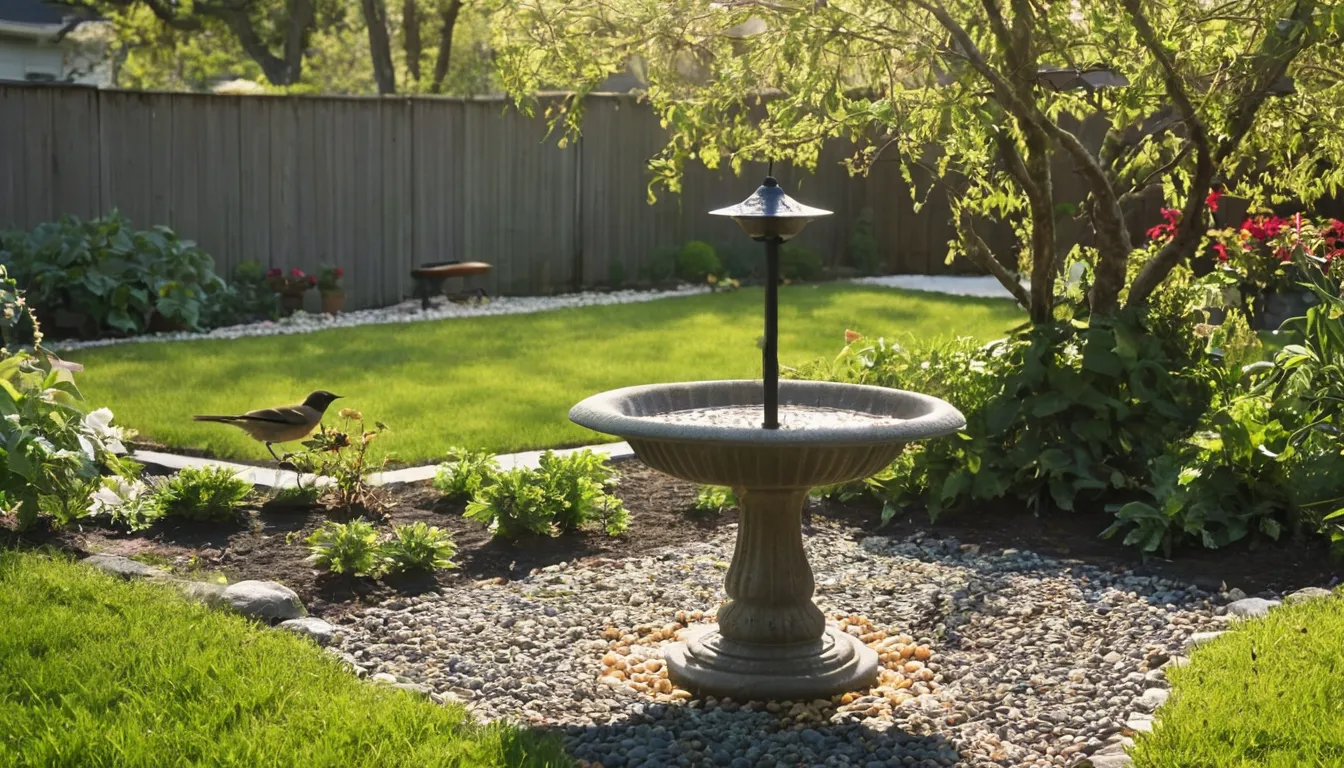
The first rule: watch from a distance
Many wild parents leave their young alone for hours and return to feed them. Your presence can keep the parent away. Keep pets and children back, watch from indoors if you can, and call a licensed wildlife rehabilitator before you pick anything up. Your state wildlife agency can usually point you to one nearby.
Baby birds on the ground
Feathered young birds that hop and flutter but cannot yet fly well are fledglings. Spending a few days on the ground is a normal stage, and the parents are usually close by. Leave them be, and keep cats indoors.
A nestling has few or no feathers and cannot hop. If you can see the nest, you can gently put it back. The old belief that parents reject a chick touched by people is a myth. If the nest is gone or the bird is hurt, call a rehabilitator.
Baby rabbits in the lawn
Cottontail mothers dig a shallow nest in the open and visit only briefly, mostly around dawn and dusk, to avoid leading predators to it. Seeing the young alone in the day is normal. Cover the nest again if you disturbed it, keep pets away, and mow around it. If you are unsure whether the mother is visiting, lay two thin pieces of string in an X over the nest and check the next morning; if they have moved, she has been back.
Fawns
A fawn lying still in tall grass is usually waiting for its mother, who stays away to keep it hidden. Leave it alone. Call your wildlife agency only if the fawn is clearly injured or crying constantly for a long time.
Raccoons, opossums and skunks
These animals are drawn to food. Secure trash cans, bring pet food indoors at night, pick up fallen fruit and close gaps under decks and sheds once you are sure no animals are inside. Don't feed them or try to handle them. Raccoons and skunks are among the animals that can carry rabies in North America.
A bat in the house
Don't touch a bat with bare hands. If a bat is found in a room where someone was asleep, or with a young child or a pet, contact your local health department or doctor before releasing it, since bat bites can be hard to notice. Otherwise, close interior doors, open a window and let it find its way out at dusk.
Snakes in the yard
Most snakes in yards are harmless and eat rodents and insects. Give them space and they will usually move on. If you can't identify a snake, or it is inside your home, keep pets and people away and call your local wildlife agency or a licensed removal service.
A yard that helps wildlife
- Clean bird feeders and baths regularly to slow the spread of disease.
- Add decals or screens to large windows to reduce bird strikes.
- Keep cats indoors or in an enclosed catio.
- Plant native shrubs and flowers, and leave some leaf litter for insects.
- Check long grass before mowing and brush piles before burning.
The law
Many wild animals, including most songbirds in the US, are protected by state and federal law. Keeping a wild animal, even to help it, usually requires a permit. Licensed rehabilitators have the training and permits to care for injured or orphaned wildlife.
Wildlife: questions
Should I give water or food to a baby animal I found?
No. The wrong food or fluids can harm or kill young wildlife. Keep it warm, dark and quiet in a box, and call a rehabilitator.
Is an animal out in daylight always sick?
No. Many animals forage by day, especially mothers feeding young. Signs of a problem include stumbling, circling, unusual tameness or aggression; stay away and call your wildlife agency.